Language 简体中文 繁體中文 English (United States) English (United Kingdom) Español latinoamericano Español de España Português do Brasil Português de Portugal Français de France Français canadien Deutsch Italiano Nederlands 日本語 한국어 Русский العربية ไทย Tiếng Việt Bahasa Indonesia Polski Türkçe
RV

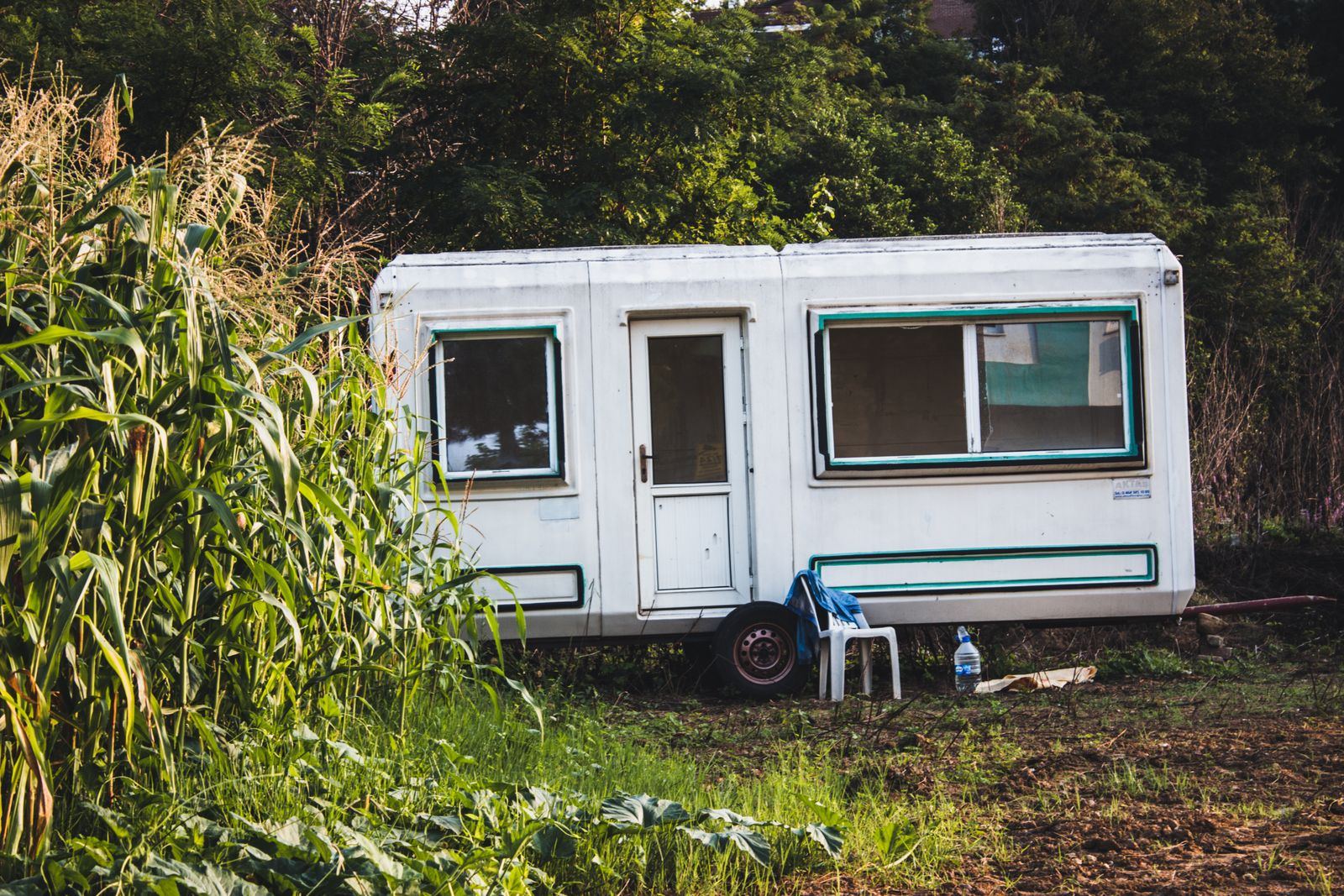
Touring caravan (travel trailer)

The dependable caravan you tow behind the car.

In short

A touring caravan is an unpowered caravan towed behind a car, a van or a lorry. Typical length 4–9 m and typical unladen weight 700–2,500 kg. In most jurisdictions a tow bar is required, and trailer brakes become a legal requirement above roughly 750 kg unbraked or 1,200 kg braked. Check the exact threshold published by your national authority.

Typical valueNotes
Overall length4–9 m (typical overall length)
Unladen weight700–2,500 kg (typical unladen)
Tongue (nose) weight5–15% of the caravan's weight
Brake typeElectric or overrun (surge), required from about 750–1,200 kg depending on the country

What these vehicles look like

Strengths

  • Cheapest way to get a large interior for the money
  • Leave it on the pitch and drive away without unpacking
  • Huge second-hand market across Europe

Limitations

  • Needs a tow bar and some towing practice
  • Reversing takes practice
  • Crosswinds push a tall caravan around

Best for

Pairs travelling togetherTravellers on a budgetTouring Europe

What it is

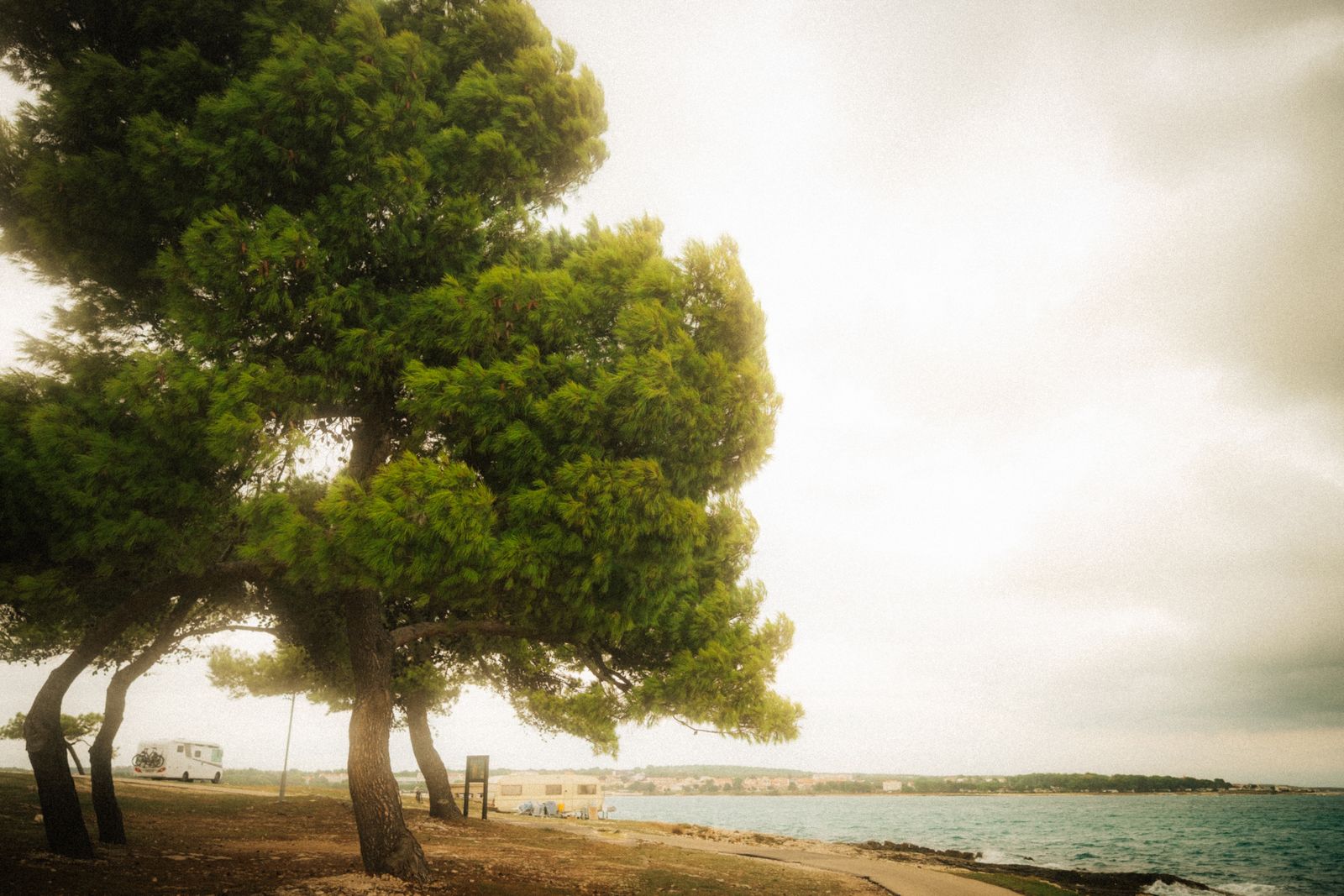
The touring caravan is the most flexible way to own an RV. The car stays a car, the caravan can be left on the pitch while you go sightseeing, and you can drop it and fly home. Across Europe the word caravan means exactly this, and in Latin America the same vehicle is called a remolque or trailer.

Why people choose it

Three things decide whether a caravan is pleasant to own: total weight against your vehicle's capacity, axle load distribution, and how much sideways force the wind puts on a tall rear end. Tall, light and high-sided is the worst possible combination.

What to check before you buy

Always work in this order: the car's kerb weight, then the vehicle's maximum braked caravan rating, then the caravan's real weight including battery, water and equipment. Water is not optional weight — 100 L of water is 100 kg.

Also calledCaravan (EU terminology) · Remolque / trailer (LATAM)