
Language 简体中文 繁體中文 English (United States) English (United Kingdom) Español latinoamericano Español de España Português do Brasil Português de Portugal Français de France Français canadien Deutsch Italiano Nederlands 日本語 한국어 Русский العربية ไทย Tiếng Việt Bahasa Indonesia Polski Türkçe
RV

Off-road or expedition RV

Suspension, ground clearance and 400 litres of fresh water.

In short

An expedition or off-road RV is built to leave bitumen: long-travel suspension, large all-terrain tyres, higher ground clearance, big water tanks and usually solar power plus a generator. Found in Australia, southern Africa, the Middle East and the American West.

Typical valueNotes
Drive layout4x4 (part-time or permanent)
Potable water200–600 litres (typical)
Power supplySolar panels plus battery, often with a generator as backup
Tyre specificationAll-terrain or mud-terrain tyres, larger diameters

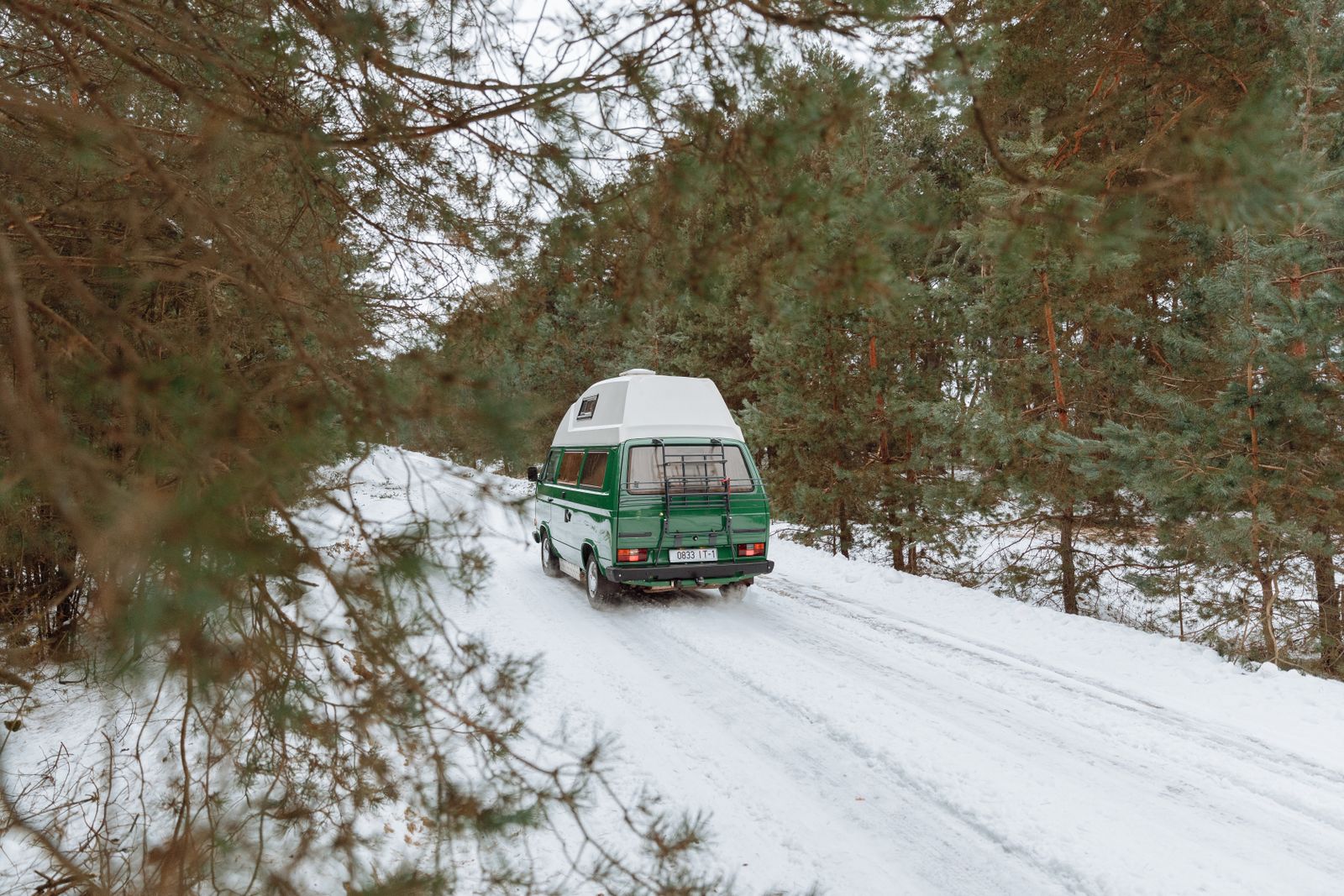
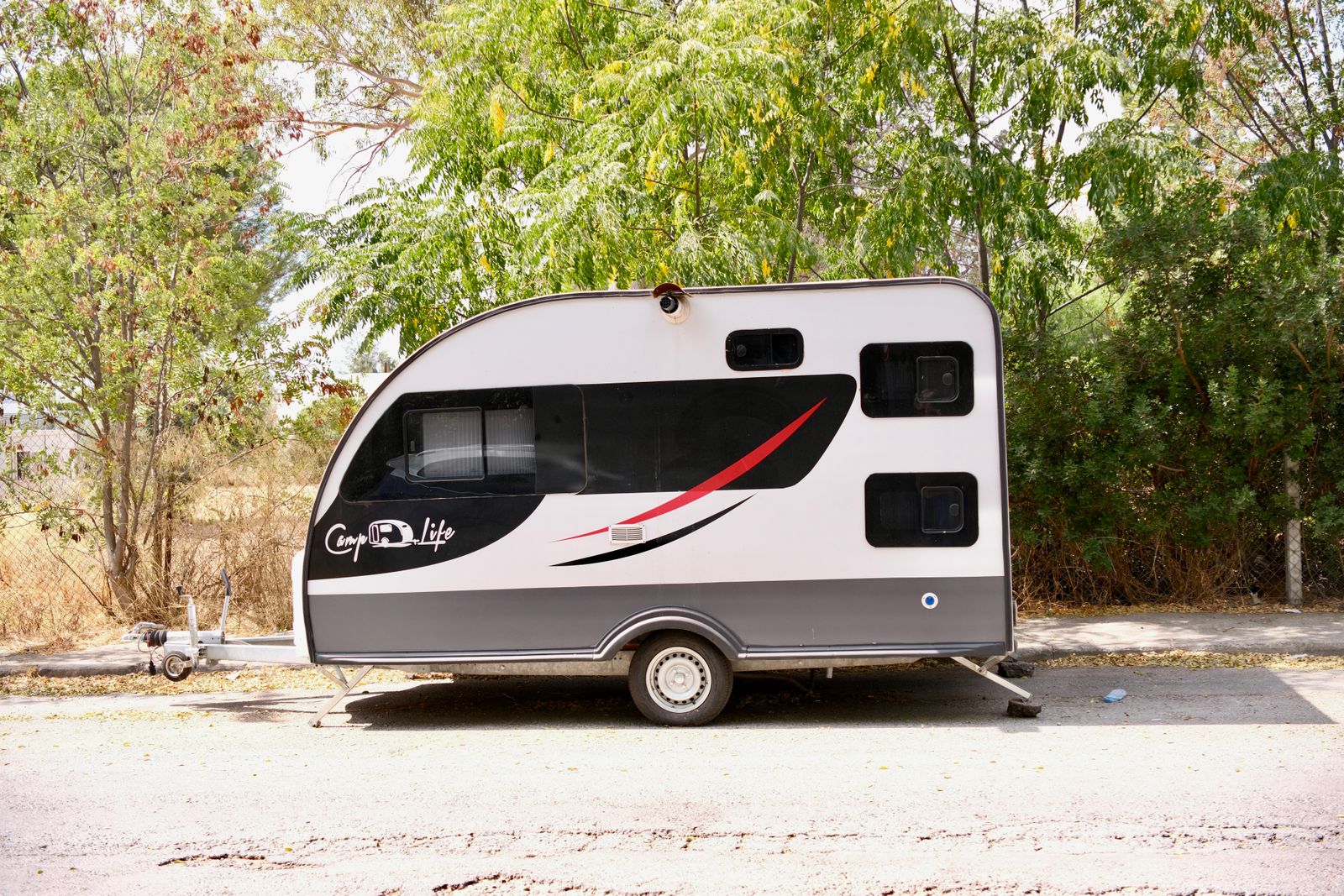
What these vehicles look like

Strengths

  • Goes where other vehicles cannot
  • Big water and power capacity
  • Fully self-sufficient

Limitations

  • Harsh riding on the road
  • Higher fuel use on the motorway
  • Costly to build

Best for

Australian outbackDesert travelWild camping on public landYear-round travel

What it is

Expedition vehicles trade comfort for autonomy: bigger tanks, more solar, roof racks that carry the load, and a diff lock that gets you out of a sand track. In the Australian outback, the African bush or on BLM land in the American West, autonomy is the whole point.

Why people choose it

The cost is riding quality and range. Stiff off-road suspension is tiring over long motorway days, and a big set of tyres costs fuel.

What to check before you buy

Two systems decide whether this works: recovery gear (traction boards, a winch, and recovery points fitted to the chassis) and an autonomous power plan you can actually monitor. Plan both before departure, not in the desert.

Also calledExpedition-oriented camper · Four-wheel-drive (4x4) camper